Understanding Your Heart’s Rhythm
Cardiac arrhythmia is a term many people hear but do not fully understand until it affects them or someone close to them. Because the heart plays such a crucial role in sustaining life, even small disruptions in its rhythm can raise concern. However, learning what arrhythmias are, what causes them, and how they are managed can make the topic far less intimidating. Understanding heart rhythm disorders empowers individuals to recognize symptoms early, seek proper care, and make informed lifestyle choices that support heart health.
What is Cardiac Arrhythmia?
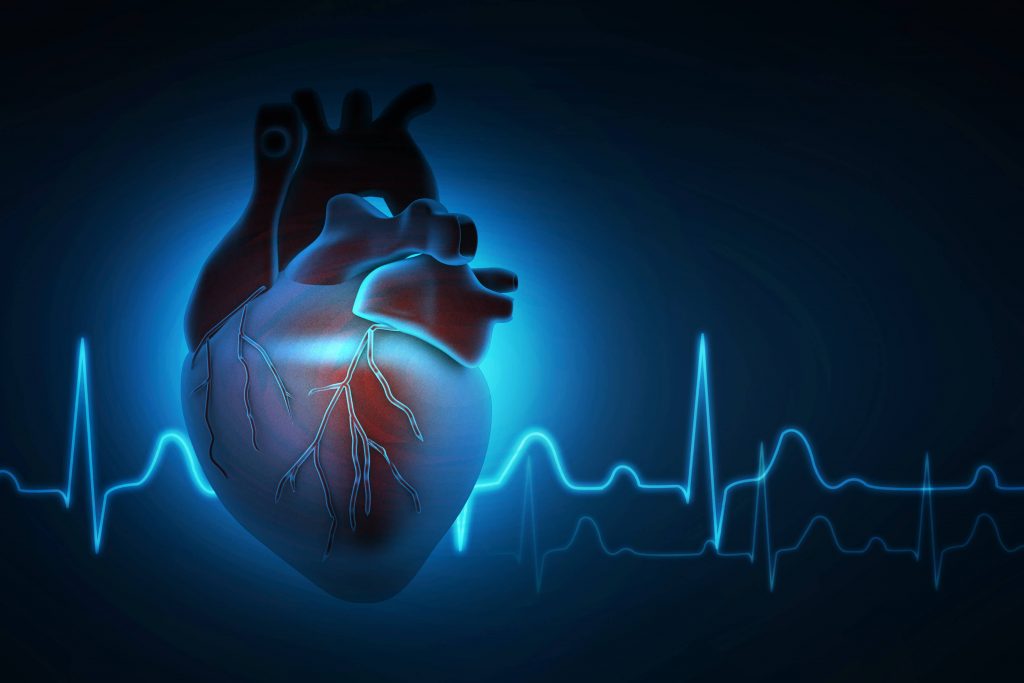
Cardiac arrhythmia refers to an abnormal heart rhythm that occurs when the electrical signals controlling the heartbeat become irregular. Under normal conditions, the heart beats in a steady, coordinated pattern driven by the heart’s natural pacemaker. This electrical system ensures the heart pumps blood efficiently throughout the body. When this system experiences a disruption, the heartbeat can become too slow, too fast, or erratic. These irregular patterns are known collectively as arrhythmias. They come in many forms, including bradycardia, which is a slower-than-normal heart rate, and tachycardia, which is an unusually fast heartbeat. Other common arrhythmias include atrial fibrillation, a quivering or irregular heartbeat in the upper chambers of the heart, and premature beats that feel like skipped or extra heartbeats. Symptoms can vary widely, ranging from palpitations and lightheadedness to fatigue, chest discomfort, or no symptoms at all.
What Causes Cardiac Arrhythmia?
Arrhythmias develop for many different reasons, and understanding the underlying causes is an essential part of effective treatment. Heart-related causes are among the most common. Conditions such as coronary artery disease, heart failure, structural abnormalities, or scarring after a heart attack can interfere with electrical conduction. However, lifestyle and external factors also contribute. Excessive caffeine or alcohol, high levels of stress, smoking, and stimulant drugs can trigger irregular rhythms. Certain medical conditions, including thyroid disorders, sleep apnea, and electrolyte imbalances, can also disrupt normal heart function. Genetic factors play a role as well, with some people inheriting conditions that predispose them to rhythm disorders from birth. Because so many influences can affect the heart’s electrical system, proper evaluation is vital for identifying the exact cause.
Is Heart Arrhythmia Serious?
Not all heart arrhythmias are serious, and many are harmless. Some irregularities occur briefly and resolve on their own, posing little to no risk. However, others can be life-threatening if left untreated. Serious arrhythmias often come with warning signs such as fainting, chest pain, shortness of breath, or a rapid and persistent heart rate. When the heart’s rhythm becomes too fast or too disorganized, it may not pump blood effectively. This can lead to complications such as stroke, heart failure, or even sudden cardiac arrest. Because the severity of arrhythmias varies widely, it is important to seek medical attention when symptoms appear. Early diagnosis and monitoring can prevent complications and ensure proper management.
Can You Live Normally with Heart Arrhythmia?
Even for those diagnosed with an arrhythmia, it is entirely possible to live a normal and active life. Many people manage their condition successfully with proper medical care. Diagnosis is the first step and often includes tests such as electrocardiograms, heart monitors, or imaging studies. Once the specific type of arrhythmia is identified, treatment options can be tailored to the individual. Medications help control heart rate or rhythm, while procedures such as catheter ablation can correct abnormal electrical pathways. In some cases, devices like pacemakers or implantable defibrillators provide ongoing support. Lifestyle changes also play a key role in living well with arrhythmias. Regular exercise, a heart-healthy diet, and stress management all contribute to improved long-term outcomes. Many people share stories of how these strategies helped them adapt and continue doing the activities they enjoy, demonstrating that life does not have to be limited by an arrhythmia diagnosis.
What Not to Do with an Arrhythmia?
Because arrhythmias vary in type and severity, there are certain activities and habits people with these conditions should avoid. Excessive caffeine, alcohol, and energy drinks can overstimulate the heart and trigger irregular rhythms. Smoking and recreational drug use also heighten risk. High-intensity exercise may need to be modified, especially if it causes symptoms. Some over-the-counter medications, including certain cold remedies, may affect heart rate and should be used cautiously. Additionally, individuals with arrhythmias should avoid ignoring symptoms or delaying treatment, as early intervention often leads to better outcomes. Taking the time to understand these precautions ensures safer daily living and improved long-term heart health.
Call Us Now
Get the Best CPR Class in Columbus Today!
Living with Arrhythmia: Practical Tips
Living with arrhythmia becomes easier with practical, consistent habits. Regular monitoring and routine check-ups help track changes in heart function and ensure treatments remain effective. Medication adherence is essential, as missing doses can lead to fluctuations in heart rhythm. A diet rich in fruits, vegetables, lean proteins, and whole grains supports cardiovascular wellness, while reducing sodium can help manage blood pressure. Safe exercise guidelines, created with input from a healthcare provider, allow individuals to stay active without overstraining the heart. Stress management is also crucial, as stress hormones can influence heart rate. Techniques such as deep breathing, mindfulness, and adequate sleep play a significant role in maintaining rhythm stability.
FAQs About Cardiac Arrhythmia
- Can cardiac arrhythmias be life-threatening? While many arrhythmias are harmless and may not require treatment, some can be serious or even life-threatening. Ventricular fibrillation and ventricular tachycardia are dangerous arrhythmias that can lead to sudden cardiac arrest if not treated immediately. Other arrhythmias, like atrial fibrillation, can increase the risk of stroke and heart failure over time. The severity depends on the type of arrhythmia, underlying heart conditions, and how it affects blood flow throughout the body.
- What are the most common symptoms of cardiac arrhythmia? Common symptoms include heart palpitations (feeling like your heart is racing, fluttering, or skipping beats), dizziness or lightheadedness, shortness of breath, chest discomfort or pain, and unusual fatigue. Some people may also experience fainting or near-fainting episodes. However, it’s important to note that many people with arrhythmias have no symptoms at all and discover the condition during routine medical exams.
- How are cardiac arrhythmias diagnosed and treated? Arrhythmias are typically diagnosed through an electrocardiogram (ECG or EKG), which records the heart’s electrical activity. Doctors may also use Holter monitors for continuous monitoring over 24-48 hours or event recorders for longer periods. Treatment options vary based on the type and severity of the arrhythmia and may include lifestyle changes, medications, catheter ablation procedures, implantable devices like pacemakers or defibrillators, or, in some cases, surgery.
Conclusion and Call to Action
Cardiac arrhythmias range from benign irregularities to serious conditions requiring immediate intervention. Understanding the signs and symptoms of heart rhythm problems is crucial for everyone, but it’s especially important for healthcare providers and first responders who may encounter cardiac emergencies.
Being prepared to respond to cardiac emergencies can make the difference between life and death. At CPR Columbus, an American Heart Association training site, we offer comprehensive training that equips you with the skills to handle cardiac emergencies confidently. Our CPR certification in Columbus courses provide essential life-saving techniques, while our ACLS classes in Columbus offer advanced training for healthcare professionals who need to manage complex cardiac situations, including arrhythmias and cardiac arrest.
All our classes are stress-free, hands-on, and taught by experienced instructors. Whether you need initial certification or renewal in BLS for Healthcare Providers, ACLS, PALS, or CPR and First Aid, we’re here to help you gain the confidence and competence to save lives.
Don’t wait until an emergency happens. Contact CPR Columbus today to enroll in our certification courses and be prepared to make a difference when it matters most.


